

Do you wake up with sensitive teeth, a sore jaw, or a dull morning headache? These early signs often point to pagngalit ng ngipin—the habit of grinding or clenching your teeth, especially while you sleep.
Sa Opisina ng Ngipin ng Rio Hondo sa Downey, Dr. Sameer Aljanedi helps patients protect their teeth and relieve discomfort with custom treatment plans and professional-grade night guards. Here’s what you should know if your mornings start with tooth sensitivity.
Why Morning Sensitivity Happens
If your teeth ache or feel unusually sensitive first thing in the morning but improve during the day, bruxism is a likely culprit. Nighttime grinding:
- Wears down enamel, exposing the inner dentin layer that responds to hot, cold, or sweet foods.
- Puts pressure on gums and tooth roots, causing lingering soreness.
- Strains jaw muscles, leading to tightness or pain upon waking.
Unlike occasional clenching during a stressful moment, pangngalit sa pagtulog happens unconsciously and can continue for hours without you realizing it.
Other Clues You May Be Grinding at Night
- Pinantay o nabiyak na ngipin
- Fractured fillings or crowns
- Indentations on the sides of your tongue
- Clicking or popping in the jaw joint (TMJ)
- Headaches in the temples
- Earaches or a feeling of fullness in the ears
- A bed partner hearing grinding noises at night
If you notice any of these, schedule an evaluation. The sooner bruxism is diagnosed, the easier it is to prevent long-term damage.
Causes and Risk Factors
Bruxism has many potential triggers, and often more than one is involved:
- Stress and anxiety – Emotional tension is one of the biggest drivers.
- Sleep disorders – Conditions like sleep apnea increase nighttime clenching.
- Bite misalignment – When teeth don’t fit together properly, the jaw muscles may overcompensate.
- Mga salik sa pamumuhay – Excess caffeine, alcohol, or certain medications can contribute.
- Genetics – A family history of bruxism raises risk.
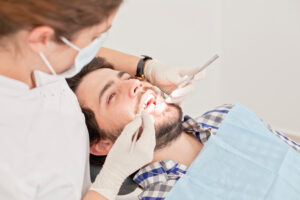
Dr. Aljanedi will review your health history and habits to pinpoint contributing factors.
The Risks of Ignoring Bruxism
Nighttime grinding isn’t just a nuisance. Without treatment, it can lead to:
- Severe enamel loss and permanently shortened teeth
- Increased tooth sensitivity and higher risk of cavities
- Fractured or loosened teeth and broken restorations
- Temporomandibular joint (TMJ) disorders causing chronic jaw pain
- Costly dental repairs such as crowns, implants, or root canals
Early intervention protects both your oral health and your wallet.
Custom Night Guards: First Line of Defense
The most common and effective treatment is a gawang-sukat na panangga sa ngipin sa gabi, also called an occlusal guard or bite splint.
Unlike over-the-counter boil-and-bite versions, a professionally made guard:
- Fits precisely to your bite for maximum comfort
- Creates a protective barrier between upper and lower teeth
- Absorbs clenching forces, reducing jaw strain and morning headaches
- Is made from durable, medical-grade materials that last much longer than store-bought options
Dr. Aljanedi takes a digital scan of your teeth to create a guard that’s slim, comfortable, and easy to wear nightly.
Additional Downey Treatment Options
Bite adjustment (occlusal equilibration):
If misaligned teeth are part of the problem, minor reshaping of enamel or orthodontic treatment can help distribute forces evenly.
Stress management:
Meditation, yoga, and counseling can lower tension that triggers nighttime clenching.
Botox® therapy:
For severe jaw muscle overactivity, targeted Botox injections can relax muscles and reduce grinding.
Lifestyle changes:
Cutting back on caffeine or alcohol—especially late in the day—can reduce grinding intensity.
Caring for Your Night Guard
To get the most from your appliance:
- Rinse with cool water after each use and gently brush with a soft toothbrush.
- Store in a ventilated case to prevent bacterial growth.
- Avoid hot water, which can warp the material.
- Bring it to every dental checkup so we can examine its fit and wear.
With proper care, a custom night guard can last several years.
Madalas Itanong na Mga Katanungan
Will a night guard stop me from grinding?
It won’t stop the habit, but it prevents teeth from contacting each other and protects enamel while reducing jaw strain.
Is a night guard uncomfortable?
Custom guards are designed to fit your bite precisely. After a short adjustment period, most patients hardly notice they’re wearing one.
Can children grind their teeth?
Yes, and it often resolves as they grow. If grinding persists or causes damage, we’ll recommend a child-appropriate appliance.
How soon will sensitivity improve?
Many patients notice less morning discomfort within a week or two of wearing a custom guard.
Will insurance cover a night guard?
Many PPO or HMO plans offer partial coverage. Our team will check your benefits and explain options, including Pagpopondo ng CareCredit and our Plano ng Pagiging Miyembro sa Pangangalaga ng Ngipin for those without insurance.
Protect Your Smile Before Damage Occurs
Morning tooth sensitivity is a warning sign you shouldn’t ignore. With early diagnosis and a Pasadyang night guard, you can prevent serious damage and wake up pain-free.
Tawagan Opisina ng Ngipin ng Rio Hondo sa (562) 928-5559 o humiling ng appointment online. Dr. Sameer Aljanedi will examine your teeth, evaluate your bite, and create a personalized plan—so you can keep your smile healthy and strong while you sleep.






 English
  Spanish
  Arabic
  Chinese
  Tagalog
  Korean