
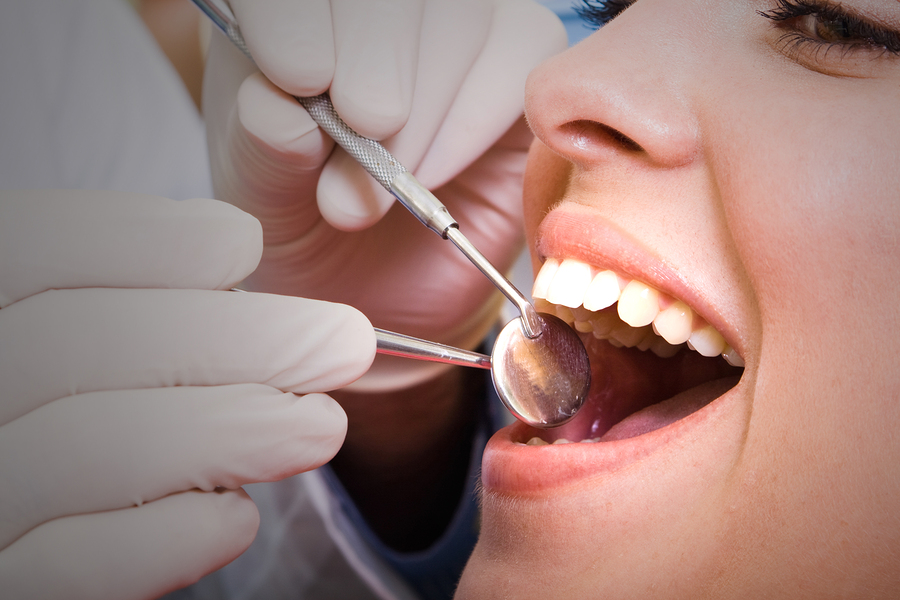
Most people know healthy gums help keep teeth in place—but few realize how much gum health influences the rest of the body. Mounting scientific research shows that the same bacteria and inflammation behind gum disease can affect everything from heart health to diabetes.
At Rio Hondo Dental Office in Downey, Dr. Sameer Aljanedi educates patients on this critical connection every day. Here’s what you should know about how your gums impact overall wellness—and the simple steps you can take to protect both.
How Gum Disease Develops
Gum disease (periodontal disease) begins when plaque—a sticky film of bacteria—collects along and under the gum line. Without regular professional cleanings, plaque hardens into tartar and irritates the gums.
- Gingivitis: The earliest stage. Gums may appear red or swollen and bleed when brushing or flossing.
- Periodontitis: If untreated, the infection penetrates deeper, breaking down the bone and tissues that hold teeth in place.
Because early gum disease can be painless, it often progresses silently until significant damage has occurred.
The Body-Wide Effects of Unhealthy Gums
1. Heart Disease and Stroke
Inflammation is a key factor in cardiovascular disease. Bacteria from diseased gums can enter the bloodstream, contributing to arterial plaque buildup and increasing the risk of heart attack or stroke.
2. Diabetes Complications
Gum infections make it harder to control blood sugar. At the same time, uncontrolled diabetes makes gum disease more severe—a dangerous cycle.
3. Respiratory Issues
Bacteria from the mouth can be inhaled into the lungs, potentially worsening conditions like pneumonia or chronic bronchitis.
4. Pregnancy Risks
Research links periodontal disease to premature birth and low birth weight.
5. Other Inflammatory Conditions
Chronic oral inflammation has been associated with rheumatoid arthritis and even cognitive decline.
Signs Your Gums May Need Attention
• Bleeding when brushing or flossing
• Red, swollen, or tender gums
• Persistent bad breath or bad taste
• Receding gum line or teeth that look longer
• Loose or shifting teeth
If you notice any of these, schedule a professional evaluation. Early treatment can stop the disease and lower your risk for the systemic problems listed above.
Preventing and Treating Gum Disease
Routine professional cleanings
Twice-yearly cleanings remove plaque and tartar that brushing and flossing leave behind.
Daily home care
Brush for two minutes twice a day and floss or use an interdental cleaner once daily. Consider an antibacterial mouth rinse if recommended by your dentist.
Healthy lifestyle choices
Quit smoking, manage stress, and maintain a balanced diet. These habits reduce inflammation and support gum healing.
Targeted dental treatments
If gum disease has begun, scaling and root planing (deep cleaning) can remove bacteria beneath the gum line and allow tissues to heal. In more advanced cases, additional periodontal therapy may be recommended.
Your Downey Partner in Whole-Body Health
Dr. Aljanedi and the Rio Hondo Dental team focus on prevention and patient education. At every checkup, we assess gum health and explain how it relates to overall wellness. If early signs of gum disease appear, we create a customized treatment plan so you can protect both your smile and your body.
Our **extended hours—Monday through Thursday evenings and Saturday mornings—**make it easy to schedule care even when life is busy. And for patients without insurance, our Dental Membership Plans provide included cleanings, exams, and discounts on periodontal treatments, making routine care simple and affordable.
Frequently Asked Questions
Can gum disease really affect my heart?
Yes. Studies show bacteria and inflammation from the mouth can contribute to arterial plaque, increasing the risk of heart disease and stroke.
If my gums bleed when I floss, is it serious?
Bleeding is often the first sign of gingivitis. Don’t stop flossing—schedule a dental exam to address the problem before it worsens.
Is gum disease reversible?
Gingivitis, the earliest stage, is reversible with professional care and improved home hygiene. Advanced periodontitis can be managed but not fully reversed, which is why early detection is so important.
Does diabetes make gum disease worse?
Yes. Elevated blood sugar increases infection risk and slows healing, creating a two-way relationship between gum disease and diabetes.
How often should I have my gums checked?
At least twice a year during routine dental visits—or more often if you have risk factors such as smoking, diabetes, or a history of gum disease.
Take Charge of Your Health—Starting with Your Gums
Your mouth is the gateway to your body. Protecting your gums is one of the easiest ways to safeguard your overall health.
Call Rio Hondo Dental Office at (562) 928-5559 or request an appointment online to schedule your next cleaning and gum evaluation. Dr. Sameer Aljanedi will help you understand your personal risk factors and create a plan to keep both your smile and your whole body healthy.










 English
  Spanish
  Arabic
  Chinese
  Tagalog
  Korean
  Tamil
Tamil  Vietnamese