
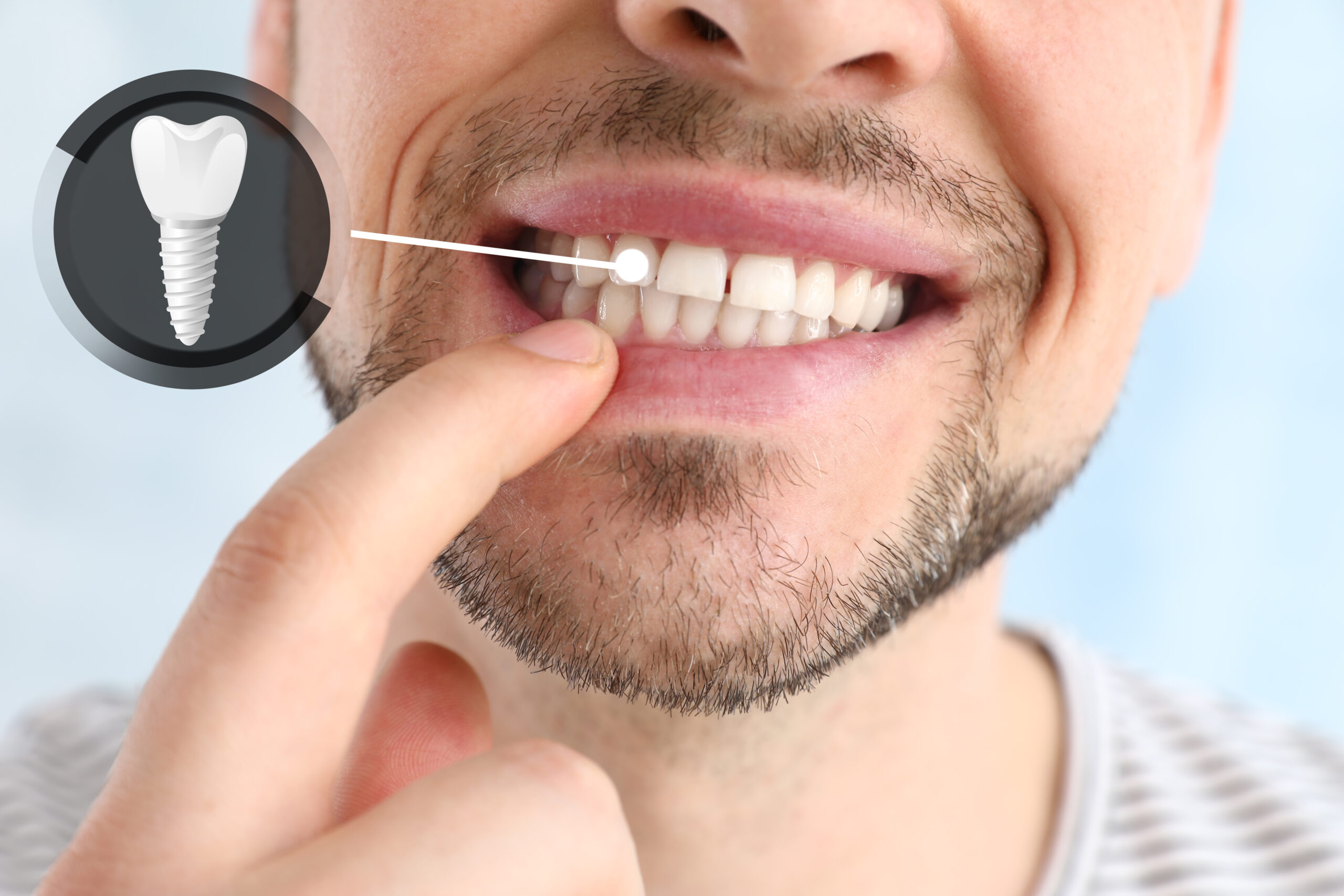
A cracked tooth can happen in an instant—a surprise bite on an unpopped popcorn kernel, a fall during sports, or years of nighttime grinding that finally take their toll. Whatever the cause, a cracked tooth is more than a cosmetic inconvenience. Left untreated, it can lead to pain, infection, or even tooth loss.
At Rio Hondo Dental Office in Downey, Dr. Sameer Aljanedi has helped hundreds of patients restore their smiles after dental fractures. The right solution depends on the type of crack, the amount of tooth structure involved, and your long-term goals. The three most common options we recommend are dental crowns, onlays, and porcelain veneers.
Below, we’ll explain how each treatment works, when it’s the best fit, and what to expect—so you can move forward with confidence.
Understanding the Different Types of Tooth Cracks
Before choosing a treatment, it’s important to know what kind of crack you’re dealing with. Each requires a different level of protection.
- Craze Lines
Hairline cracks in the outer enamel. These tiny lines are usually painless and often only cosmetic. They rarely need more than routine monitoring or, at most, a polish or whitening. - Fractured Cusp
A piece of the chewing surface breaks off. This can happen around an old filling or from biting something hard. It typically does not reach the tooth’s pulp (nerve) but still needs a durable restoration. - Cracked Tooth (extending into dentin)
A deeper crack runs vertically from the chewing surface toward the root. These require careful evaluation; if caught early, the tooth can usually be saved. - Split Tooth or Vertical Root Fracture
The crack runs all the way through the tooth or into the root. In severe cases, extraction may be the only option.
During your visit, Dr. Aljanedi uses digital X-rays, 3-D imaging, and a thorough clinical exam to identify the type and depth of the crack before recommending treatment.
Option 1: Full-Coverage Dental Crown
What It Is
A dental crown is a custom-made “cap” that covers the entire visible portion of the tooth, restoring both function and appearance.
When We Recommend a Crown
- The crack extends into the dentin or threatens the tooth’s structural integrity.
- A large piece of tooth is missing or a filling takes up most of the tooth.
- A root canal has been performed and the tooth needs reinforcement.
Advantages
- Maximum protection—the crown encases the tooth and shields it from biting pressure.
- Long-lasting durability with modern porcelain or ceramic materials.
- Natural aesthetics—today’s crowns are color-matched for a seamless smile.
What to Expect
Typically completed in two visits, the process involves gently reshaping the tooth, taking digital impressions, and placing a temporary crown while the permanent one is fabricated. At the second visit, the permanent crown is bonded in place and adjusted for a perfect bite.
Option 2: Onlay (Partial Crown)
What It Is
An onlay—sometimes called a partial crown—covers only the damaged portion of a tooth. Think of it as the middle ground between a filling and a full crown.
When We Recommend an Onlay
- The crack is limited to one or two cusps and most of the tooth structure is healthy.
- You want to preserve as much natural enamel as possible.
- The tooth needs more strength than a filling can provide but not full coverage.
Advantages
- Conservative treatment—less natural tooth removal compared to a full crown.
- Strength and stability to handle everyday chewing forces.
- Excellent fit and natural look when crafted from porcelain or high-strength ceramic.
What to Expect
After removing the damaged area and shaping the tooth, we take digital impressions and place a temporary if needed. Your custom onlay is then bonded securely, restoring both appearance and function.
Option 3: Porcelain Veneer
What It Is
A porcelain veneer is a thin, custom-crafted shell bonded to the front surface of a tooth. Veneers are primarily a cosmetic solution.
When We Recommend a Veneer
- The crack is superficial and confined to the front surface of the tooth.
- There is no loss of structural integrity in the biting surface or root.
- You also want to enhance the tooth’s color, shape, or alignment.
Advantages
- Minimally invasive—only a thin layer of enamel is removed.
- Cosmetic upgrade—veneers can brighten, straighten, and reshape your smile.
- Stain resistance—porcelain veneers keep their luster far longer than natural enamel.
What to Expect
Veneers usually take two visits: one to prepare the tooth and take impressions, and a second to bond the veneer permanently. With proper care, veneers can last a decade or more.
How We Choose the Right Option
Comprehensive Evaluation
Dr. Aljanedi carefully examines the crack’s depth and location, reviews X-rays, and considers your bite dynamics.
Your Goals & Lifestyle
Do you value maximum durability, or is cosmetic appearance your top priority? Are you looking for a short-term fix or a long-term investment?
Budget & Insurance
Many PPO and HMO plans cover crowns or onlays, while veneers are usually considered cosmetic. Our team explains coverage and offers CareCredit financing and an in-house Membership Plan to help you plan for treatment.
What Happens If You Delay Treatment
A cracked tooth will not heal on its own. Waiting can lead to:
- Worsening of the crack, making the tooth impossible to save
- Pain, sensitivity, or infection that may require root canal therapy
- Costlier, more complex treatments—like implants—if the tooth must be extracted
Prompt treatment preserves both your tooth and your long-term oral health.
Step-By-Step: What Your Appointment Looks Like
- Diagnosis – We identify the crack type and explain your options.
- Preparation – Damaged or weakened tooth structure is gently removed.
- Impressions & Temporary – We take precise digital scans; if needed, you’ll leave with a temporary restoration.
- Laboratory Fabrication – Our trusted dental lab crafts your custom crown, onlay, or veneer.
- Final Placement – We bond your restoration securely and adjust your bite for comfort.
Thanks to modern anesthetics and Dr. Aljanedi’s gentle technique, most patients find the process surprisingly comfortable.
Caring for Your New Restoration
- Brush and floss daily with a non-abrasive toothpaste.
- Schedule regular professional cleanings—our hygienists can check the integrity of your restoration at each visit.
- Avoid chewing ice or very hard foods that could stress any dental work.
- Wear a custom night guard if you clench or grind your teeth at night.
With proper care, crowns and onlays often last well over a decade, and veneers can remain beautiful for many years.
Frequently Asked Questions
How do I know if my tooth is cracked?
Common signs include sharp pain when biting, sensitivity to hot or cold, or a visible line. Only a dentist can confirm the depth of the crack.
Can a veneer fix a deep crack?
No. Veneers are best for minor, surface-level issues. Deep or structural cracks usually require an onlay or full crown.
Will my insurance cover treatment?
Most PPO and HMO plans provide partial coverage for crowns and onlays. Veneers are usually considered cosmetic. We’ll explain your benefits and discuss CareCredit or our Membership Plan for out-of-pocket expenses.
Is treatment painful?
No. We use local anesthetic and gentle techniques so you stay comfortable throughout the procedure.
How long do these restorations last?
With good care, crowns and onlays can last 10–15 years or more. Veneers often last a decade or longer.
Protecting Your Smile Before It Cracks
Prevention is always better than repair. To reduce your risk:
- Wear a custom mouthguard during sports or if you grind your teeth.
- Schedule regular checkups to catch weak spots or small fractures early.
- Avoid chewing hard objects like ice or pens.
- Address bite problems—misaligned teeth can create uneven stress that leads to cracks.
Your Downey Partner in Restorative Dentistry
If you suspect a cracked tooth, don’t wait. Early treatment can save your tooth and spare you unnecessary pain and expense. Whether you need the full coverage of a crown, the conservative strength of an onlay, or the cosmetic finesse of a veneer, Rio Hondo Dental Office in Downey has the experience and technology to restore your smile beautifully.
Call (562) 928-5559 or request an appointment online today. Dr. Sameer Aljanedi will carefully examine your tooth, explain all options, and help you choose the restoration that fits your needs, lifestyle, and long-term goals.






 English
  Spanish
  Arabic
  Chinese
  Tagalog
  Korean
  Tamil
Tamil  Vietnamese