Emergency Care
Knocked-Out Tooth: What to Do in the First 60 Minutes
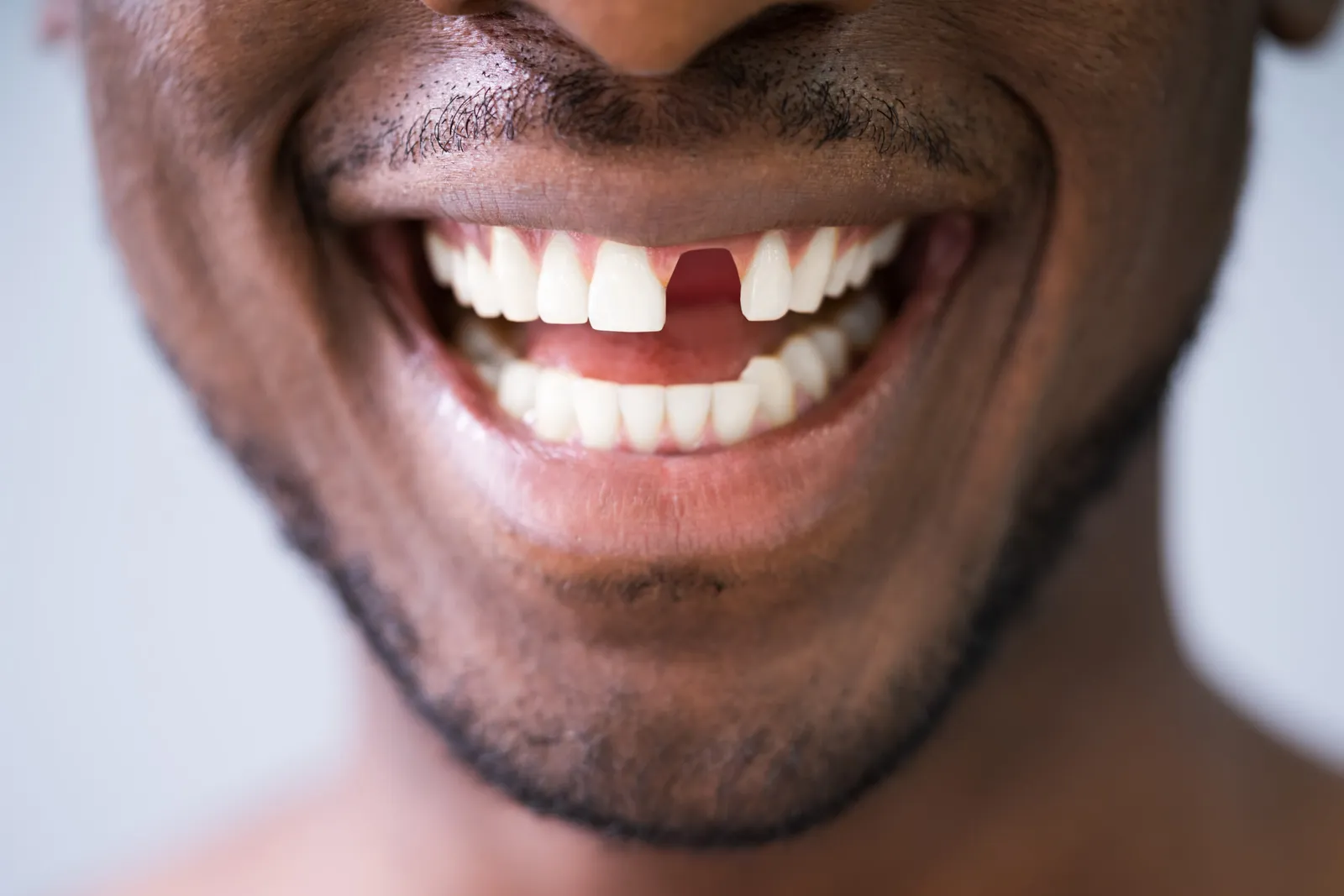
An elbow catches your teenager in the mouth going up for a rebound, or a skateboard stops dead against a curb, and suddenly there is a whole tooth lying on the ground. What happens in the next hour matters more than anything a dentist does later. A knocked-out adult tooth can often be saved, but only if the cells on its root stay alive until it is back in the socket.
If the tooth is in your hand right now, follow the numbered list below and call a dentist on the way.
What should you do if a tooth gets knocked out?
Short answer: Pick the tooth up by the crown, never the root. Rinse a dirty tooth for a few seconds without scrubbing. Push an adult tooth gently back into its socket and bite on gauze to hold it. If it will not go back, keep it in milk or a tooth-preservation kit, never dry or in water, and see a dentist within 30 to 60 minutes. Never replant a baby tooth.
- Find the tooth and pick it up by the crown, the white part that shows when you smile. Do not touch the root.
- Rinse it only if it is dirty, for a few seconds, with milk, saline or plain water. No scrubbing, no soap, no drying.
- Put an adult tooth back in its socket if you can, and bite gently on gauze to hold it.
- If it will not go back, keep it wet in milk, saline or a tooth-preservation kit. Never in plain water or a dry tissue.
- Call a dentist and leave now. Within 30 minutes is ideal, and within an hour if at all possible.
- Go to the emergency room first if there is a head injury, any loss of consciousness, bleeding that will not stop or a jaw that may be broken.
- If it is a baby tooth, do not put it back. Call the dentist anyway.
Is it an adult tooth or a baby tooth?
An adult (permanent) tooth should go back in as fast as possible. A baby tooth should never be put back, because pushing it into the socket can damage the permanent tooth developing close to its root.
Age is usually the giveaway. Children generally start losing their baby front teeth around age 6, and the permanent front teeth come in between about 6 and 8. A front tooth knocked out of a preschooler's mouth is almost certainly a baby tooth; in a teenager or adult it is permanent. In between, it could be either. If you cannot tell, keep it in milk and call; the child's age and which tooth came out usually settle the question over the phone.
For a knocked-out baby tooth, have the child bite gently on gauze to stop the bleeding, hold a cold compress on the lip and call your dentist the same day. The dentist will check that no piece is left in the gum and keep an eye on the adult tooth still developing in the jaw; our children's dentistry page explains those visits.
How do you handle and replant a knocked-out tooth?
Hold it by the crown. The root is covered with a thin layer of living cells that let a replanted tooth reattach to the bone, and fingers, cloth and drying all damage them. If the tooth looks clean, leave it alone. If it picked up dirt, a quick rinse is fine; what harms the root is soaking or storing it in water. Do not scrub it or use soap, alcohol or disinfectant.
To put a permanent tooth back, turn it so the smooth front faces the lips, set the root into the socket and press gently until it sits level with its neighbors. Do not force it; if it will not slide in, use one of the storage options below. Then bite gently on gauze or a folded cloth to hold it steady. Replanting right away gives the tooth its best chance.
Do not try to replant a tooth in someone who is not fully awake and alert, who might inhale or swallow it, or whose jaw may be broken. Store the tooth instead.
What is the best way to store a knocked-out tooth?
If the tooth cannot go back in, keep the root moist in something that will not harm its cells:
| Option | How good is it? | What to know |
|---|---|---|
| Back in the socket | Best | Bite on gauze to hold it on the way. |
| Tooth-preservation kit | Very good | A small container of solution made for this. Worth keeping in a sports bag. |
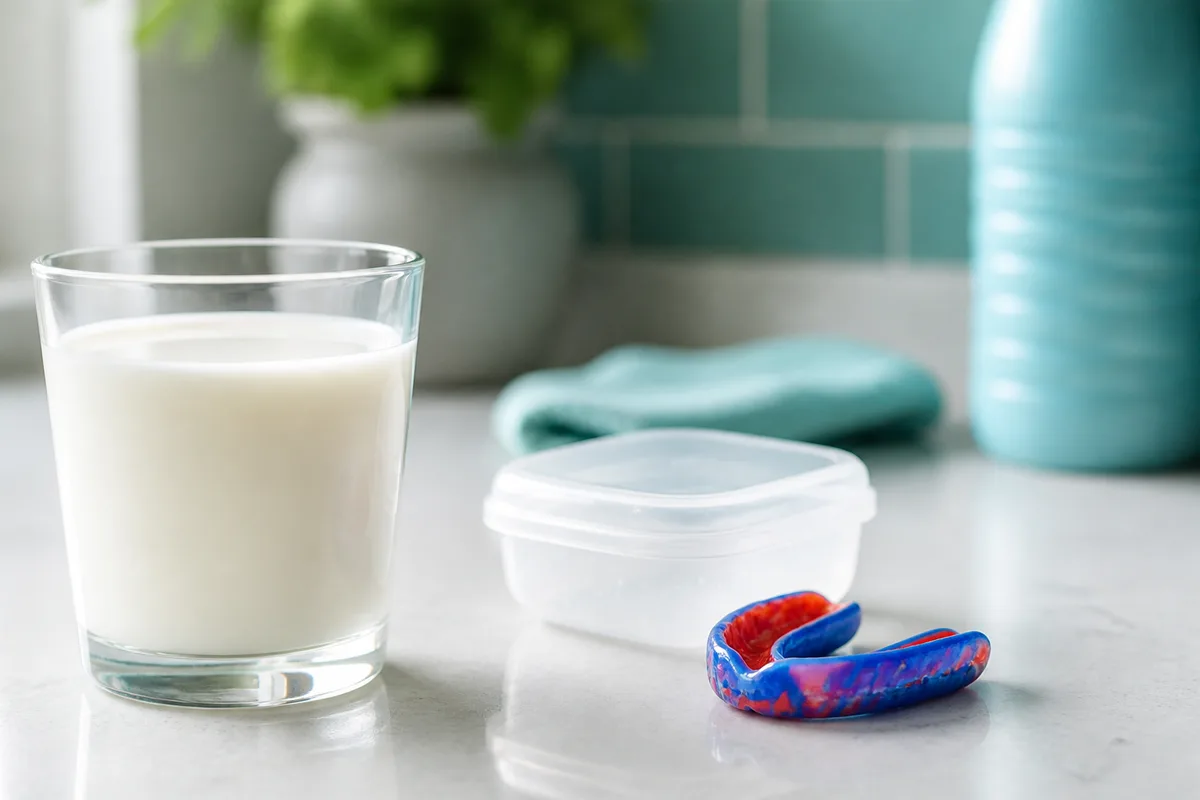
| Cold milk | Very good, and usually easiest | Enough to cover the tooth, in a small lidded container. |
| Saline | Good | Sterile saline from a first-aid kit or pharmacy. |
| Inside the cheek | Good for teens and adults | Only for someone old enough and alert enough not to swallow it. Never a young child. |
| Plain tap water | Avoid for storage | A brief rinse is fine, but root cells cannot tolerate sitting in water for long. |
| Dry, in a tissue or napkin | Never | Drying kills the root cells, and tissues get thrown away by accident. |
MouthHealthy, the ADA's patient site, gives the same advice in its guide to dental emergencies and suggests a preservation product with the ADA Seal.
How much time do you have to save a knocked-out tooth?
The root cells start dying once the tooth is out, and fastest when it dries. The best chance comes when the tooth goes back in, or reaches a dentist, within about 30 to 60 minutes. The American Association of Endodontists advises getting to a dentist within 30 minutes if you can and notes that it is still possible to save a tooth that has been out for an hour or more.
Do not give up because time has passed: keep the tooth wet, bring it and let the dentist decide. A tooth replanted late may not last as long, but even a few years can be worth having for a teenager, because it helps preserve the bone while the jaw finishes growing. Call ahead so the office can have a room ready; our emergency dental care page explains how same-day visits work.
When should you go to the ER instead of the dentist?
A blow that knocks out a tooth can also injure the head, neck or jaw, and those come first. Call 911 or go to the ER if:
- The person lost consciousness, even briefly, or is confused, unusually drowsy, vomiting or has a worsening headache.
- There could be a neck injury.
- Bleeding from the mouth or face does not slow after several minutes of firm, steady pressure.
- The jaw may be broken: the teeth no longer meet the way they did, the jaw looks out of line, opening or closing is very painful, or the lip or chin has gone numb.
- Breathing is difficult, or a missing tooth cannot be found and the person is coughing or wheezing, which can mean it was inhaled.
- A cut on the lip, tongue or face gapes open and may need stitches.
Bring the tooth in milk and tell the staff, then call a dentist once serious injuries are ruled out. Our guide to whether it is a dental emergency covers the gray areas.
Do you need a tetanus shot after a knocked-out tooth?
Possibly, if the tooth or wound touched dirt or soil. The CDC's wound-care guidance for preventing tetanus treats wounds containing dirt or soil as higher risk and recommends a tetanus vaccine for them when the last dose was five or more years ago, or when vaccination history is unknown or incomplete. Unsure when you or your child last had one? Ask your dentist or physician the same day.
What about a chipped, pushed-in or loosened tooth?
Most need a same-day call to a dentist:
- Chipped or broken. Rinse the mouth with warm water and hold a cold compress on the face. Save any pieces in milk or water; a dentist can sometimes bond a fragment back on. A small painless chip can usually wait a day or two. A large break, or a pink or red spot in the middle of the broken surface, means the nerve may be exposed, so call the same day.
- Loosened or pushed out of position. Do not wiggle it or force it. Bite gently on a damp cloth to keep it steady and see a dentist the same day to have it repositioned and splinted.
- Pushed up into the gum. Do not try to pull it down. It needs an exam and an X-ray the same day. In young children a pushed-in baby tooth sometimes comes back down on its own, but that is the dentist's call to make.
For pain, use an over-the-counter reliever as the label directs, but never put aspirin directly on the gum.
What happens at the dentist after a tooth is knocked out?
The first visit stabilizes the tooth. The dentist will usually clean the area, check the tooth's position (or replant it), take X-rays for fractures in the root or bone, and bond a thin, flexible splint to the neighboring teeth, commonly for about two weeks. After that, a range of outcomes is possible:
- A fully developed adult tooth usually needs root canal treatment, commonly started within the first couple of weeks, because the nerve rarely survives being knocked out.
- A young permanent tooth whose root is still forming may be watched instead, because in some children the nerve can heal and the root can keep developing.
- Follow-up checks with X-rays continue for years. Some replanted teeth stay healthy for decades. Others slowly lose their root as the body replaces it with bone and eventually need to be replaced. In a child, an implant generally has to wait until the jaw has finished growing, and a temporary option can fill the gap until then.
The honest drawback is that no one can promise a replanted tooth will last. The odds depend most on how quickly it went back in and how it was kept, and follow-up visits catch problems while they are easier to manage.
How can you prevent a knocked-out tooth?
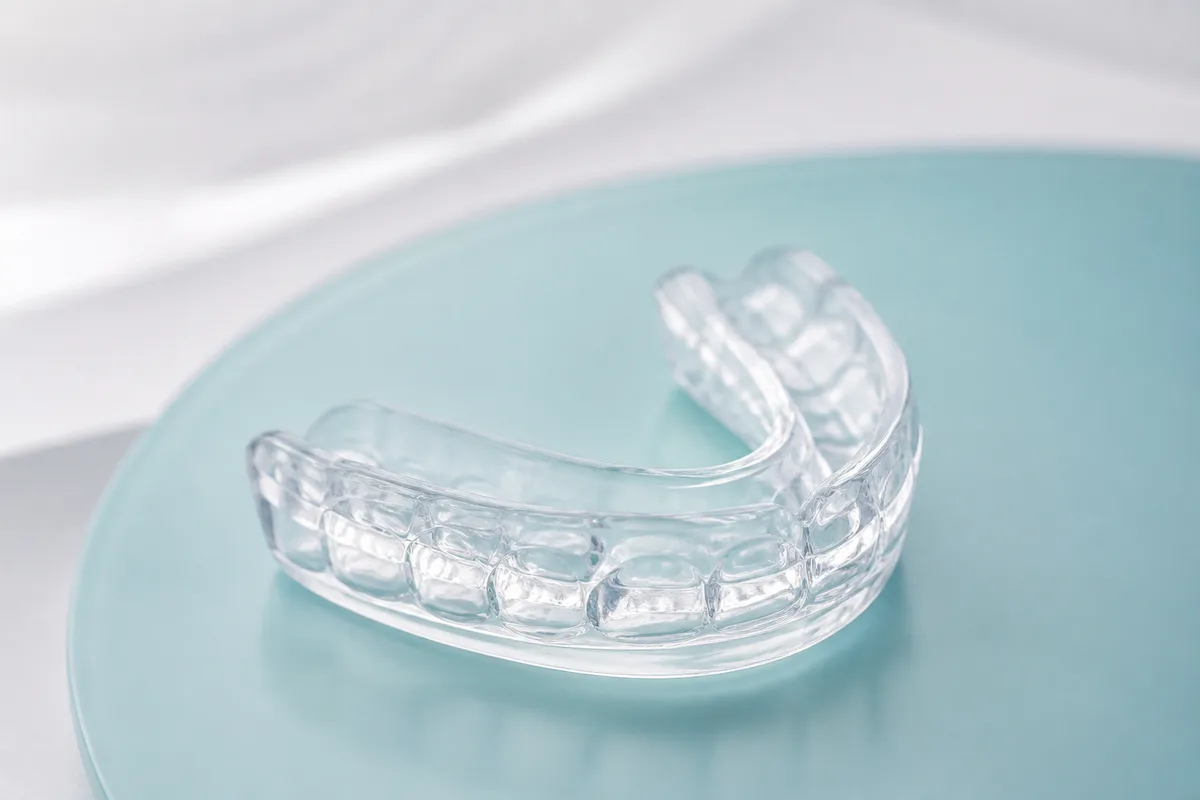
Wear a mouthguard. MouthHealthy's guide to mouthguards points out that dental injuries happen in non-contact activities such as gymnastics and skating, not only in collision sports. Each type of guard has trade-offs:
- Stock guards are inexpensive and ready to wear, but they often fit poorly and make breathing and talking awkward.
- Boil-and-bite guards are softened in hot water and shaped in the mouth. They usually fit better than stock guards but can be bulky.
- Custom guards are made from an impression or scan of your teeth. They fit best, but they cost more, take an appointment, and growing children may need a new one as their teeth change.
Our custom sports mouthguards are fitted in a short visit, and our guide to mouthguards for spring sports covers fit and care. Tuck a tooth-preservation kit into the team first-aid kit and remind coaches that milk works in a pinch.
Questions to ask at your follow-up visit
- Did the X-rays show any fracture in the root or the bone around it?
- How long will the splint stay on, and what should I eat or avoid until then?
- Will this tooth need a root canal, and if so, when should it start?
- What signs of trouble should I watch for between visits?
- If it was a baby tooth, how will we know whether the adult tooth that replaces it was affected?
If a tooth has just been knocked out, call now. We keep room for dental emergencies and will get you seen as quickly as we can — you do not need to be an existing patient. Rio Hondo Dental Office is at 8514 Paramount Blvd. in Downey, and our team speaks English and Spanish. Call (562) 928-5559, or for a follow-up visit or a mouthguard fitting, request an appointment online.
The treatment in this article
Dental Emergency
Urgent care for tooth pain, swelling, broken teeth and lost crowns.
Have questions about your smile?
Dr. Sameer Aljanedi and the team at Rio Hondo Dental Office are here to help. Se habla español.