Preventive Care
Electric vs. Manual Toothbrush: Does It Actually Matter?
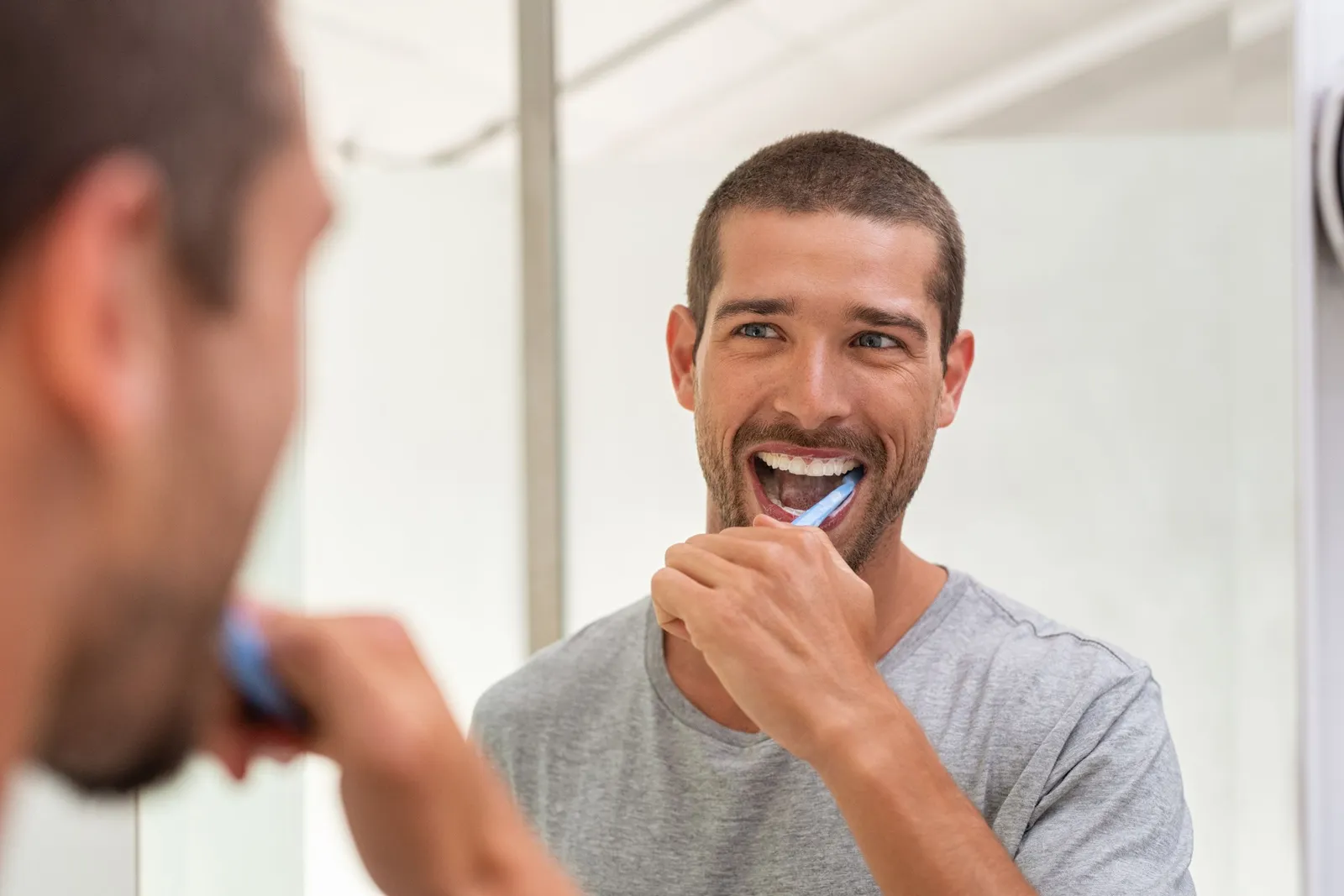
A four-dollar manual toothbrush used well for two full minutes will keep most mouths healthy. A $200 electric one waved around for forty seconds will not. So the useful question is less "which brush is better" and more "which brush fixes what I am currently getting wrong."
October is National Dental Hygiene Month, which is usually when this comes up. Here is what the research supports, who gains the most from switching, and which features are worth paying for.
Is an electric toothbrush actually better than a manual one?
Short answer: Yes, modestly. A large Cochrane review of clinical trials found that powered toothbrushes remove more plaque and reduce gum inflammation more than manual brushing, and the advantage holds up over months of use. The gap is real but not dramatic. A soft manual brush used with good technique for two minutes, twice a day, still does the job.
Cochrane reviews pool the results of many trials instead of trusting any single one. This one drew on dozens of trials and several thousand participants, and the finding was consistent: people using powered brushes had less plaque and less gingivitis, both in the first few months and in the studies that ran longer.
Two caveats belong next to that result. The benefit is moderate, not transformative. And the trials measured plaque and gum inflammation, not cavities or tooth loss twenty years on, because nobody runs a toothbrush trial that long. The American Dental Association's position is that both manual and powered toothbrushes clean effectively when they are used properly.
Why would a motor help at all? It takes your wrist out of the equation. Most people brush for well under two minutes and skip the same places every time: the tongue side of the lower molars, the gumline behind the last upper tooth. A powered brush supplies thousands of consistent strokes and, usually, a timer. It compensates for average technique. It does not clean between teeth, and it cannot shift plaque that has already hardened into tartar. Only a professional dental cleaning removes that.
Electric vs. manual toothbrush: side-by-side comparison
| Manual toothbrush | Electric (powered) toothbrush | |
|---|---|---|
| Plaque and gum inflammation | Effective with good technique | Modestly better on average in trials |
| How much technique matters | A great deal. You supply every stroke | Less. You position the head, it does the moving |
| Timer | None. You watch the clock | Usually built in: two minutes with a 30-second pacer |
| Pressure control | Entirely up to you | Sensor on many models |
| Upfront cost | A few dollars | Commonly $25 to $60 for a basic rechargeable; $200 or more for premium |
| Ongoing cost | New brush about every 3 months | New head about every 3 months, often $5 to $10 each |
| Travel | Light, nothing to charge | Bulkier, needs a charger on longer trips |
| Best suited to | Careful brushers whose checkups stay clean | Braces, limited dexterity, gum problems, heavy hands, kids who rush |
Who benefits most from switching to an electric toothbrush?
For some people that modest average advantage becomes a large personal one. You are probably in that group if any of these describe you.
- You wear braces or a bonded retainer. Brackets and wires create ledges where plaque sits undisturbed. A small powered head, especially one made for orthodontic hardware, works around them more reliably than a flat manual brush. The chalky white marks some people find on their enamel after orthodontic treatment are almost always a plaque-control problem.
- You have arthritis or limited hand mobility. The thicker handle is easier to grip, and the brush makes the small movements your hand no longer wants to. The same applies after a stroke or hand surgery, and for caregivers brushing someone else's teeth.
- Your gums bleed, or you have been treated for gum disease. Gum inflammation starts with plaque left sitting at the gumline. Removing more of it every day helps keep early-stage gum disease from advancing and helps hold your gains after a deep cleaning.
- You scrub. If your bristles are flattened within a month, a pressure sensor may do more for your gums than any lecture.
- Your child rushes. Kids respond to the timer and the novelty. Most children's models are labelled for age three and up, and an adult should still do or closely supervise the brushing until roughly age seven or eight.
- You know you quit early. A brush that buzzes every 30 seconds and stops at two minutes is a cheap form of honesty.
And who can skip it? If your checkups keep coming back clean, with little tartar, gums that do not bleed when they are measured and no new cavities, your manual technique is working. Nobody should talk you into fixing it.
Oscillating-rotating vs. sonic: does the type matter?
Powered brushes come in two main designs. Oscillating-rotating brushes have a small round head that spins back and forth, cupping one tooth at a time. Sonic brushes are shaped like a manual brush and vibrate side to side at very high speed.
Head-to-head trials have leaned slightly toward the oscillating-rotating design for plaque and gingivitis. The difference is small, and the researchers who pooled those trials said themselves that its clinical importance is unclear. Either type outperforms the average manual brusher.
The practical differences are easier to feel than the clinical ones. A round head fits behind the last molar and around crowded lower front teeth, but the action is more intense and some people dislike it. Sonic brushes feel gentler and more familiar, though the vibration can tickle for the first week. Buy the one you will not find an excuse to avoid.
One design deserves less enthusiasm: the cheap disposable-battery "spin" brush. It is better than nothing for a reluctant child, but it generally has less power, weakens as the batteries drain and rarely has a pressure sensor.
Can you brush too hard with an electric toothbrush?
Yes. You can overdo it with either kind, and the damage is permanent.
Hard scrubbing, particularly a horizontal sawing motion with medium or hard bristles, wears the gum tissue back and can carve notches into the softer root surface near the gumline. Gum tissue does not grow back on its own, and exposed root is both more sensitive to cold and more prone to decay. Overzealous brushing is one of the most common contributors to gum recession. It often shows up worst on the side opposite your brushing hand, where you naturally bear down hardest.
The classic mistake with a powered brush is using it like a manual one. Do not scrub. Rest the bristles against the tooth, angled toward the gumline, and guide the head slowly from tooth to tooth, a couple of seconds on each. The motor does the work.
This is where a pressure sensor earns its place. Push too hard and the brush flashes a light, changes pitch or slows down. Research overall has not shown powered brushes to be harder on gums than manual ones, and for heavy-handed brushers the sensor likely makes them the safer choice.
Signs you are pressing too hard with any brush:
- The bristles splay outward within a few weeks. A brush head should last about three months; here is how to tell when a toothbrush is worn out.
- Teeth look longer than they used to, or you can catch a groove at the gumline with a fingernail.
- Cold water gives a sharp zing on one or two specific teeth.
A quick fix for manual brushers: hold the handle in your fingertips like a pen instead of in your fist. It is difficult to bear down from that grip.
Cheap electric toothbrush vs. premium: what are you paying for?
Mostly extras. A brand's entry-level rechargeable brush typically uses the same basic cleaning motion as its flagship. Basic rechargeable models from the major manufacturers commonly sell for roughly $25 to $60, while top-end versions can pass $200.
Two features change outcomes:
- A two-minute timer with a 30-second pacer. It tells you when to move to the next quarter of your mouth and when you are finished.
- A pressure sensor. For the reasons above.
Everything else is comfort or marketing. Bluetooth apps, five brushing modes, a screen on the handle, a travel case that charges by USB: pleasant if you enjoy them, but none of it removes plaque.
Before you buy the handle, look up the price of its replacement heads. That is the real cost of ownership. Heads need changing about every three months, the same as a manual brush, and brand-name ones often run $5 to $10 apiece. The ADA Seal of Acceptance on the box is also worth looking for, since it means the manufacturer submitted safety and effectiveness data for review.
The drawbacks, plainly: it has to be charged, it takes up more room in a travel bag, some people (and some children) cannot stand the vibration, and it can breed overconfidence about everything else on the list below.
What matters more than which toothbrush you use
Ask a dentist to rank what protects teeth and the device lands near the bottom. In rough order of importance:
- Time. Two minutes, twice a day, about thirty seconds per quarter of the mouth. Time yourself once with your phone. Most people are surprised by how early they normally stop.
- Where the bristles go. Angle them about 45 degrees toward the gumline and use short, gentle strokes. Plaque along the gum margin causes the trouble; the flat chewing surfaces are the easy part. Do the tongue side of every tooth.
- Soft bristles. Always. Medium and hard brushes clean no better and wear tissue faster.
- Fluoride toothpaste. The fluoride is what hardens enamel against decay, and the brush is the delivery system. Spit out the excess afterward instead of rinsing hard with water, so some of it stays on your teeth.
- Cleaning between teeth once a day. Bristles do not reach the contact points where many adult cavities begin. String floss, interdental brushes and water flossers each have a place, and we compare them in our guide to floss versus water flossers.
- Regular professional cleanings. Tartar cannot be brushed off by anything sold in a store.
When a new toothbrush is not the fix
People often buy an electric brush hoping it will stop their gums from bleeding. Sometimes it does. Bleeding from mild gingivitis commonly settles within a week or two of thorough daily brushing and cleaning between teeth. If it has not, the usual cause is tartar under the gumline or deeper gum pockets, and no brush reaches either one.
Book an exam instead of another gadget if you notice bleeding that persists past two weeks of careful home care, gums pulling away from the teeth, bad breath that returns right after brushing, or notches and sensitivity at the gumline.
Get seen urgently if… you have swelling in the gum or face, pus, a tooth that suddenly feels loose, or pain with a fever. Those point to infection, and no change of toothbrush will treat it.
So, is an electric toothbrush worth it?
For most adults, a basic rechargeable brush with a timer and a pressure sensor is a small upgrade. With braces, stiff hands, gum problems or a heavy grip, it is a meaningful one. And if you would rather keep your manual brush, keep it. Just give it the full two minutes.
Not sure how well your current routine is working? That is easy to check at a cleaning: ask where plaque is collecting and whether a different brush would change it. To schedule one at Rio Hondo Dental in Downey, request an appointment or call (562) 928-5559.
Have questions about your smile?
Dr. Sameer Aljanedi and the team at Rio Hondo Dental Office are here to help. Se habla español.